On this page
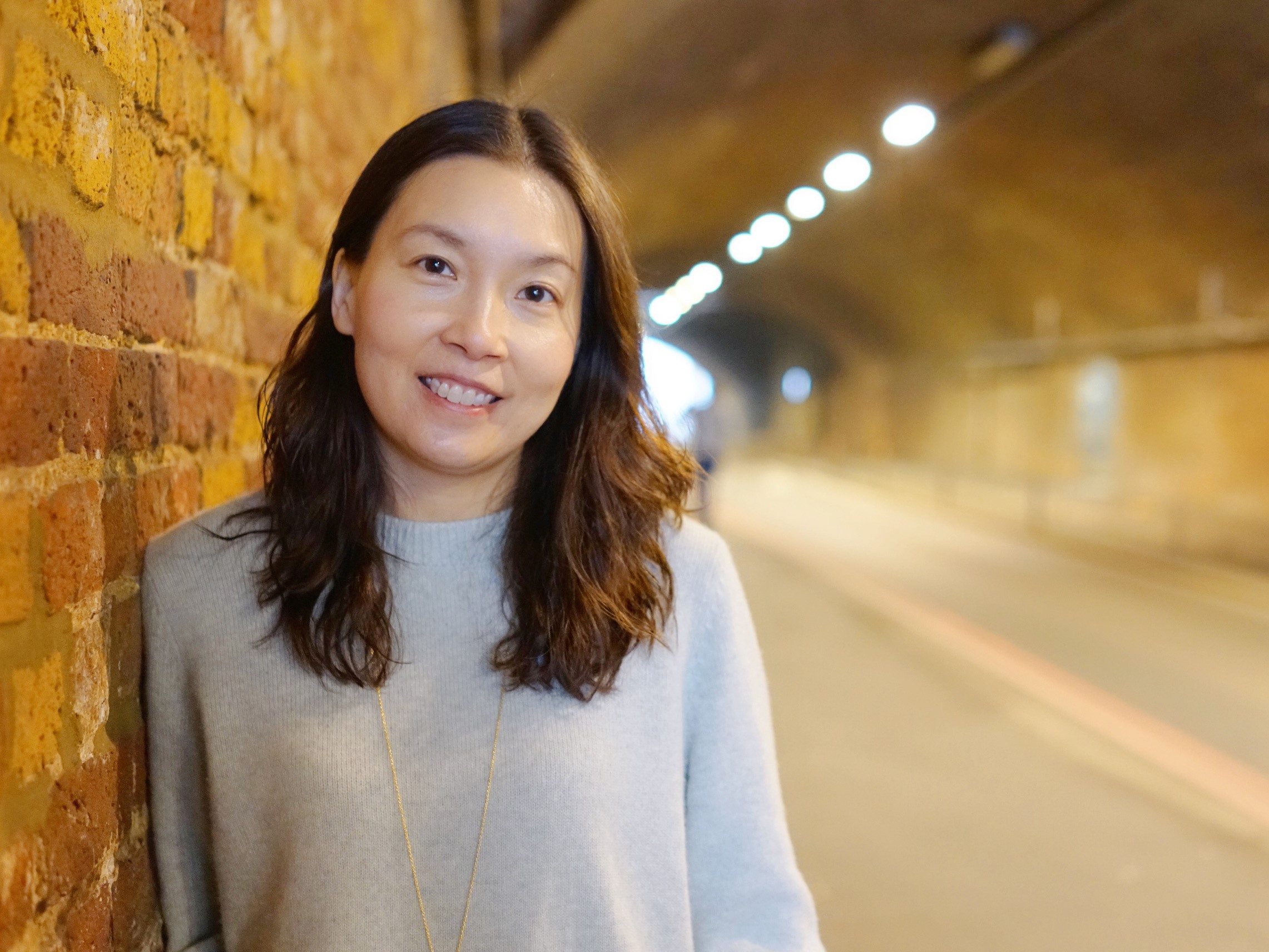
Angie Wong
London‑based psychotherapist offering integrative counselling, couples therapy and psychedelic integration in English, Cantonese and Mandarin.
 United Kingdom


Overview
Angie Wong is a psychotherapist and counsellor who offers counselling, therapy, psychedelic integration and somatic EMDR therapy through her private practice in West and Central London and online. Her work addresses issues such as addictions, anxiety, depression, low self‑esteem, relationship problems, career or work stress, self‑harm, suicidal thoughts, eating disorders, sexuality and identity crises, trauma from sexual, physical or emotional abuse, and difficulties with sex, intimacy and infidelity. She sees adults, couples and young people and welcomes clients from diverse backgrounds, including individuals dealing with grief, loss or other presenting issues. Sessions provide a space to explore feelings and experiences, co‑creating a supportive environment for understanding and healing through exploration and reflection.
Clients typically gain greater self‑understanding, improved emotional regulation and more satisfying relationships. Angie encourages openness and curiosity, using a collaborative approach to help clients reflect on their current situation, recognise patterns and connect with their inner resources. She aims to help people bring awareness to unconscious processes, transform old patterns and live more authentically.
Best for
Angie’s practice is suited to adults, couples and young people seeking support for anxiety, depression, addictions, compulsive behaviours, relationship difficulties, work‑related stress, identity challenges, trauma, sex and intimacy issues or feelings of being stuck. She also works with couples wanting to restore intimacy, improve communication or address infidelity, and with people preparing for or integrating psychedelic experiences.
- Adults experiencing anxiety, depression, addictions or compulsive behaviours
- Individuals with low self‑esteem, identity crises or work‑related stress
- Couples seeking help with communication, intimacy, sexual issues or infidelity
- Clients dealing with self‑harm, suicidal thoughts or eating disorders
- People healing from trauma or abuse or preparing for psychedelic experiences
Approach
Angie draws on an integrative methodology that combines psychodynamic, person‑centred, cognitive behavioural, gestalt, mindfulness and transpersonal psychosynthesis perspectives. Sessions invite clients to explore thoughts, emotions and bodily sensations to gain insight into patterns and beliefs. She uses creative tools such as drawing, guided meditation and inner dialogue to broaden awareness and connect clients with their inner strengths. Her somatic EMDR therapy supports clients in processing and releasing trauma through eye movement techniques while remaining grounded in the body.
Therapy is collaborative and non‑directive: clients bring whatever is present, and together they explore underlying causes and develop new coping strategies. Angie integrates mindfulness and meditation practices to cultivate self‑awareness and presence. She offers psychedelic integration sessions that help clients set intentions and integrate insights from psychedelic experiences into everyday life; these sessions emphasise harm reduction and do not involve providing any substances.
Support
Support is offered through individual therapy, couples counselling, and work with young people. Sessions are available in person in West and Central London and online for clients elsewhere. Angie provides a welcoming space that is accepting of all presenting issues and identities; she respects cultural differences and meets clients with sensitivity and compassion. She upholds professional boundaries, works within a confidential and ethical framework as a registered member of the British Association for Counselling and Psychotherapy (BACP) and the UK Council for Psychotherapy (UKCP), and follows guidelines for safe practice. Her practice includes secure, encrypted online sessions, and she has experience working in the NHS and private settings, offering face‑to‑face and online therapy. Clients can contact her via a secure form or by phone to discuss their needs and arrange an initial session.
Practical details
Angie’s practice operates in person from locations accessible from Central and West London and offers online sessions. Sessions can be conducted in English, Cantonese or Mandarin, making services accessible to clients with different language backgrounds. The website invites prospective clients to arrange therapy by filling out a contact form or calling directly. Session length and fees are not specified; instead, clients are encouraged to get in touch to discuss practical arrangements. Angie offers services to local and international clients, and she provides secure online therapy via video.
- Formats: individual, couples and young people therapy; in‑person and online sessions
- Languages: English, Cantonese, Mandarin
- Location: West and Central London and online; works internationally
- Booking: contact via form or phone to arrange an initial session
Training
- Level 7 Postgraduate Diploma in Psychosynthesis Counselling (Psychosynthesis Trust and Middlesex University)
- Accredited member of the British Association for Counselling and Psychotherapy (BACP) and the UK Council for Psychotherapy (UKCP)
- Postgraduate Certificate in working with couples and relationships (The Grove Practice)
- Certified Psychedelic Practitioner (The Synthesis Institute)
- Certified Integral Eye Movement Therapy (IEMT) practitioner
- Qualified online counselling therapist through an ACTO‑accredited online counselling diploma
Disclaimer:
This description was generated based on information from the official website and other materials provided by the provider.