On this page

NOOS Clinic
The first specialised ketamine and EMDR therapy clinic in the Baltics, offering ketamine-assisted therapy (KAP), ketamine therapy, EMDR therapy and evidence-based psychotherapy
NOOS Clinic
 Kernaves st. 14-50, Vilnius, 09400, Lithuania


At NOOS Clinic, we exist to help people reclaim psychological health and create a richer, more meaningful life. Our name, “Noos,” from ancient Greek, evokes higher intelligence and intuition — the inner organic wisdom that guides healing and transformation. We responsibly combine the latest, scientifically proven, legally compliant methods with compassionate psychotherapy to address the root causes of suffering, not just mask symptoms.
Our ethos is evidence‑based, trauma‑informed, and harm‑reduction. We prioritise safety, dignity, and measurable outcomes, meeting each person where they are and tailoring care to their needs. We welcome and support cultural and gender diversity, neurodiversity, and varied life experiences. Recovery can be intensive, effective, and brief; with the right support, change is possible. We honour autonomy and shared decision‑making, moving at your pace, in a confidential therapeutic environment.
Clinical Approach & Modalities
NOOS Clinic is the first ketamine/KAP clinic in Lithuania and the Baltics, delivering integrated care where pharmacological neuroplasticity meets deep psychotherapeutic work. We provide secondary outpatient psychotherapy (psychotherapeutic counselling and psychotherapy sessions) and modern mental health services, guided by the latest neuroscience and the carefully regulated use of legal psychoplastogens.
Our model of care blends:
- KAP (Ketamine‑Augmented Psychotherapy): Ketamine’s biological effects — rapid neuroplasticity and expanded states of consciousness — paired with structured psychotherapy to accelerate insight, processing, and change.
- KIT (Ketamine infusion/injection therapy): Individually dosed, protocol‑driven sessions to activate neurobiological pathways of recovery.
- EMDR therapy (including FLASH): Evidence‑based processing for trauma and anxiety.
- Psychotherapy frameworks such as CBT, ACT, IFS, and mindfulness‑based therapies, selected and sequenced based on clinical presentation.
Care is personalized via measurement‑based assessment and ongoing tracking, with strong emphasis on preparation and integration. Adjuncts may include integration sessions, structured coaching elements, and practical programs (e.g., sleep and behavioral routines) to anchor change in daily life. We actively monitor research trends and thoughtfully translate proven advances into practice.
Safety & Medical Governance
We operate as a licensed personal health care institution (Licence No. 5879; hygienic passport No. LHP‑3710), with rigorous clinical governance. Every patient journey begins with comprehensive screening for indications and contraindications, and continues under medical oversight by licensed physicians and psychotherapists. Dosing follows established protocols, with continuous monitoring and clear thresholds for adjustments.
Our safety standards include:
- Informed consent and shared decision‑making at each stage.
- Safeguarding practices for vulnerable adults and those with complex presentations.
- Confidentiality and data privacy in compliance with GDPR, with secure health information handling and role‑based access.
- Medication handling and chain‑of‑custody procedures aligned with regulatory requirements and internal SOPs.
- Structured adverse event reporting, case review, and continuous quality improvement.
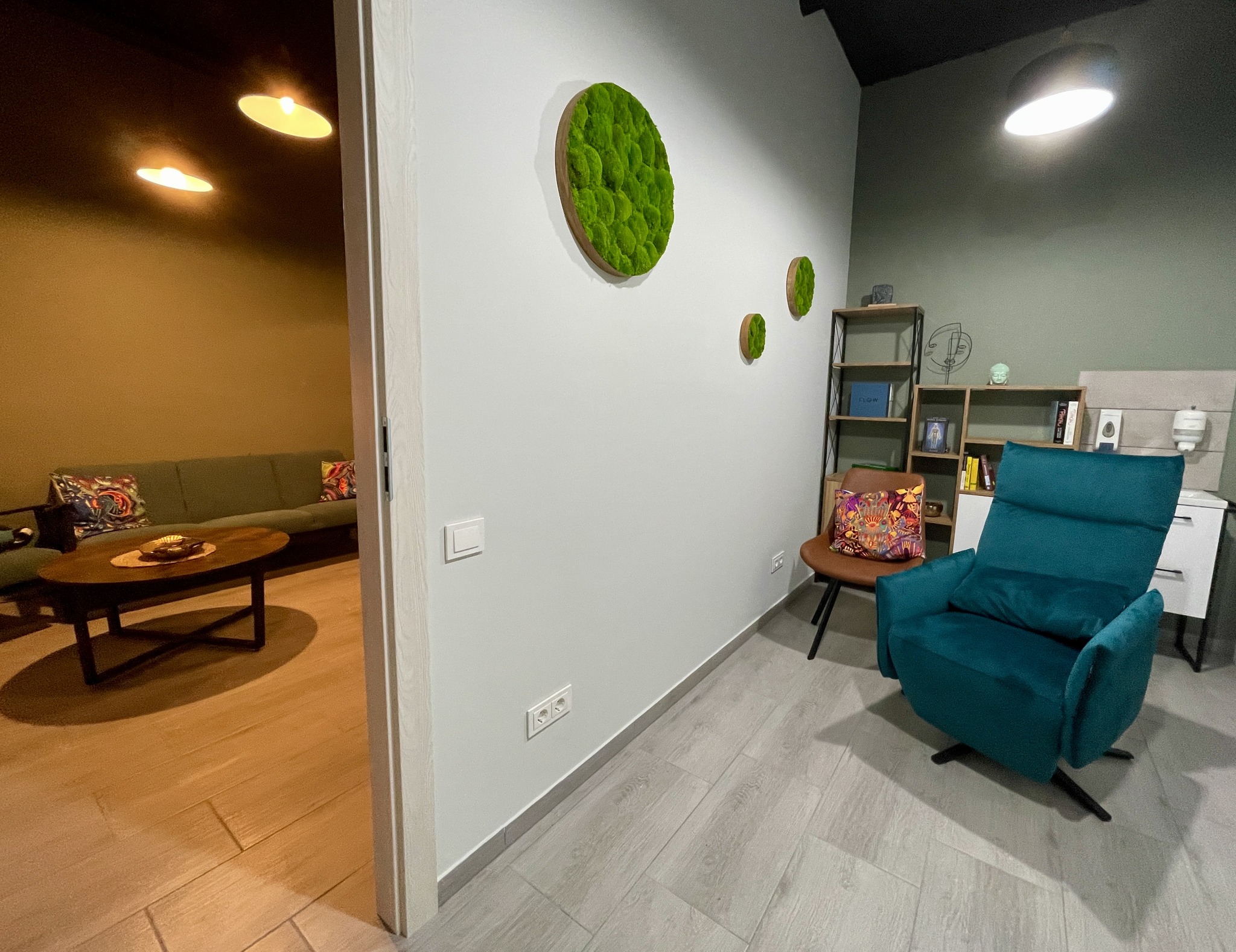
The therapeutic setting is purposefully designed: calm, supportive, and contained. Our clinicians are trained to work within expanded states of consciousness while maintaining psychological and physical safety throughout sessions.
Indications, Eligibility & Care Pathway
Clinical studies and our experience show that KAP and related modalities can be effective for treatment‑resistant conditions, including depression, anxiety disorders, PTSD, and addictions. We also support patients whose standard psychotherapy requires augmentation or acceleration.
Our care pathway:
- Referral or self‑referral: Contact our clinic to begin.
- Comprehensive assessment: Medical and psychotherapeutic evaluation, risk/benefit analysis, and shared decisions on the care plan.
- Preparation: Psychoeducation, intention‑setting, and stabilization strategies to optimize outcomes.
- Active treatment: Individually tailored sessions. For KAP, ketamine is paired with a structured psychotherapeutic frame; cadence and setting are customized to clinical goals.
- Integration: Post‑session psychotherapy to consolidate insights into daily life, relationships, and behavior.
- Follow‑up & relapse prevention: Ongoing care, outcome tracking (PROMs), and adaptive planning to sustain gains.
Sessions are delivered in person within a safe therapeutic environment. Accessibility needs are considered case‑by‑case; we aim to remove barriers to care wherever feasible.
Evidence, Ethics & Access
We are committed to evidence‑based practice. Clinical research indicates 70–80% effectiveness of KAP in conditions resistant to standard treatments. We continuously evaluate emerging data and integrate validated advances responsibly.
Our ethical commitments:
- Autonomy: Patients are partners in care.
- Transparency: Clear communication about methods, benefits, and risks.
- Equity: Respectful care for all, regardless of background or identity.
Pricing is communicated upfront with good‑faith estimates, reflecting the scope of assessment, treatment, and integration. We provide information on financing options where available and discuss pathways for patients facing hardship circumstances. We value diversity and inclusion and can offer language support when feasible. We connect patients to community resources and aftercare networks that reinforce recovery.
Regulatory Compliance
NOOS Clinic operates under Lithuanian personal health care regulations and maintains current licensure (Licence No. 5879) and required permits (hygienic passport No. LHP‑3710). We use legal, regulated treatments and uphold GDPR‑compliant data protection. Our clinical protocols, medication handling, and documentation adhere to national standards and internal SOPs designed for safety, accountability, and quality.
Healing. Transformation. Growth. At NOOS Clinic, we help you awaken your authentic NOOS — the healing intelligence within — and move beyond obstacles toward a more meaningful life.
Video
Gallery
Works with
Services
Substances
NOOS Clinic
Kernaves st. 14-50, Vilnius, 09400, Lithuania