On this page
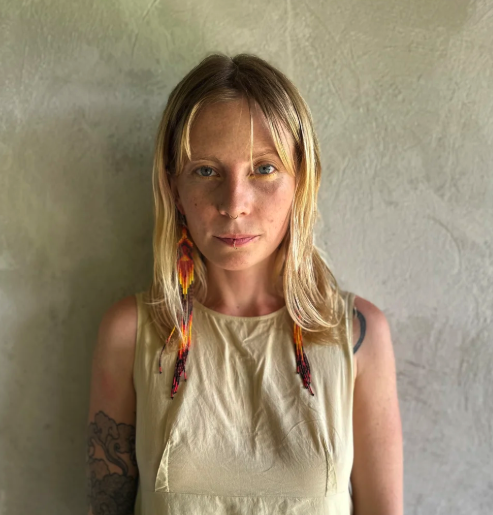
Phoebe Sullivan
Transpersonal psychotherapist and breathwork facilitator offering one-to-one therapy, breathwork, retreats and psychedelic integration.
 United Kingdom

Overview
Tiger Lily is a transpersonal psychotherapy practice led by Phoebe, a trauma-trained transpersonal psychotherapist who combines rigorous psychological methods with spiritually attuned, ceremonial and integration work. The practice supports people navigating profound inner change, including those who have engaged with plant medicines, ceremonial psychedelic work or other non-ordinary states and who seek careful relational integration rather than interpretation.
The offering includes one-to-one psychotherapy, group programmes, trainings and occasional retreats. The therapeutic stance is depth-oriented, embodied and relational, attending to nervous-system regulation, attachment patterns and unconscious dynamics while also holding space for meaning, mystery and spiritual experience.
Best for
This provider is best for psychologically minded, reflective clients who value depth and are seeking a therapist able to hold complexity, intensity and subtlety. It is especially suited to people who have encountered or are exploring plant medicines or expanded states and want integration and therapeutic containment.
- People seeking transpersonal psychotherapy that integrates spiritual experience
- Clients wanting careful integration after ceremonial or psychedelic experiences
- Those looking for trauma-informed, somatic and parts-based work (IFS)
Approach
The work weaves transpersonal psychotherapy with ceremonial practice, shamanic and elemental journeying, energy psychology, breathwork, parts work (IFS), nervous-system regulation and therapeutic ritual. The approach attends both to developmental/attachment dynamics and to expanded states of consciousness, supporting psychological integration alongside spiritual insight.
Sessions are relational and embodied, focusing on nervous-system regulation, protective strategies and unconscious patterns while also honoring experiences of meaning, archetype and collective or ancestral material. Integration is prioritized over mere explanation, with emphasis on supporting deep reorganisation in how the client relates to self, others and life.
Ceremonial and plant-medicine–informed work is held within a frame of psychological safety and trauma-awareness, and the practice supports clients through preparation, integration and ongoing therapeutic exploration.
Education and Training
The practitioner is described as trauma-trained and has extensive training across multiple modalities. Training and experience cited include transpersonal psychotherapy, IFS/parts work, breathwork practices, somatic approaches and shamanic/ceremonial modalities.
Support
Support is offered through one-to-one psychotherapy, a transpersonal therapy group (Together), and occasional trainings, courses and retreats. Integration work and ongoing mentorship/coaching are part of the practice, and the community aspects provide opportunities for collective processing and shared learning.
The practice emphasizes a steady, contained therapeutic field and relational support for clients navigating intense material or post-ceremonial integration challenges.
Practical details
Services are offered by appointment and include individual sessions, group work and periodic trainings and retreats. Interested clients are invited to make contact via the practice contact page or the listed social channels to enquire about availability, formats and bookings.
Fees, exact location and session formats are not specified on the publicly available pages and are likely provided on inquiry.
This description was generated based on information from the official website and other materials provided by the provider.