

Ketamine and rapid antidepressant action: new treatments and novel synaptic signaling mechanisms
Summary & key facts
Ketamine is a drug that blocks NMDA-type glutamate receptors and was found to lift depression symptoms quickly, even in people whose depression did not improve with other treatments. This discovery has led to new treatments and a lot of research showing that ketamine’s effects involve rapid changes at synapses (for example, a quick glutamate surge and effects on BDNF-TrkB and AMPA receptors), but the exact steps and full reasons why it helps are still not settled. Clinical use needs careful dosing because small dose changes affect benefit and side effects, and researchers are still studying which forms, doses, and combinations work best long term.
- Ketamine works as an open-channel blocker of NMDA glutamate receptors, which is its primary identified molecular action.
- A commonly used research infusion is 0.5 mg/kg given intravenously over 40 minutes, targeting plasma ketamine levels of about 130–200 ng/ml.
- Lowering the ketamine dose to about ≤0.2 mg/kg has been associated with loss of antidepressant benefit, while raising it to 1.0 mg/kg increases dissociative side effects without clear extra benefit; anesthetic doses (≥2.0 mg/kg) do not appe
- Esketamine (Spravato) and Brexanolone (Zulresso) were approved by the U.S. FDA in 2019, and Esketamine has randomized trial evidence of long-term safety and efficacy.
- In a drug-discontinuation study, continuing Esketamine plus a new oral antidepressant reduced relapse over one year by about half compared with the new antidepressant alone among patients who initially responded.
- Ketamine’s antidepressant actions are linked in research to rapid synaptic plasticity processes, including a reported glutamate surge after NMDA receptor blockade, involvement of BDNF-TrkB signaling, and engagement of postsynaptic AMPA rece
- Other proposed contributors to ketamine’s effects include its different enantiomers and metabolites, possible effects on inflammation, and non-neuronal cells like microglia — but these ideas are still under study.
- There are not yet well-powered, direct head-to-head trials comparing intravenous R,S-ketamine and intranasal Esketamine, so conclusions about which formulation is superior are premature.
Abstract
Ketamine is an open channel blocker of ionotropic glutamatergic N-Methyl-D-Aspartate (NMDA) receptors. The discovery of its rapid antidepressant effects in patients with depression and treatment-resistant depression fostered novel effective treatments for mood disorders. This discovery not only provided new insight into the neurobiology of mood disorders but also uncovered fundamental synaptic plasticity mechanisms that underlie its treatment. In this review, we discuss key clinical aspects of ketamine's effect as a rapidly acting antidepressant, synaptic and circuit mechanisms underlying its action, as well as how these novel perspectives in clinical practice and synapse biology form a road map for future studies aimed at more effective treatments for neuropsychiatric disorders.
Topics
Neuroscience and Neuropharmacology Research Treatment of Major Depression Tryptophan and brain disordersCategories
Health Sciences Medicine PharmacologyTags
Antidepressant Anxiety Glutamate receptor Glutamatergic Hippocampus Internal medicine Ionotropic effect Ketamine Medicine Mood disorders Neuroscience NMDA receptor Pharmacology Psychiatry Psychology Receptor Synapse Synaptic plasticityReferencing articles
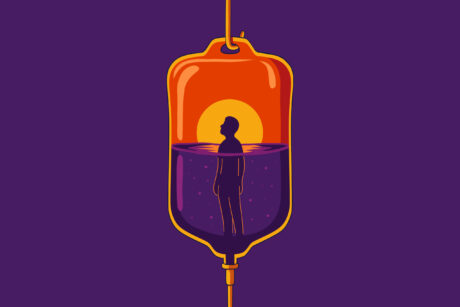
How Long Does Ketamine Work for Depression?
Clinical studies show that ketamine can reduce depressive symptoms within hours in some patients, particularly…
 Expert-Reviewed by:
Dr. Christopher Gauci
Expert-Reviewed by:
Dr. Christopher Gauci