

Postpartum depression: How it differs from the “baby blues”
Summary & key facts
This review explains how ordinary “baby blues” differ from more serious postpartum depression and from rare postpartum psychosis. Baby blues cause mild, short-lived problems and often get better with family support. Postpartum depression causes bigger, lasting problems and often needs therapy beyond social help; psychotherapy is usually tried first because both untreated depression and antidepressant drugs can carry risks for the infant. The author recommends routine screening during pregnancy and careful weighing of risks and benefits if medicines are used.
- The review distinguishes three conditions: baby blues, postpartum depression, and postpartum psychosis.
- Baby blues are described as having minor impact on daily function and often responding well to social or family support.
- Postpartum depression is said to cause significant functional problems and can require more intensive treatment than social support alone.
- Postpartum psychosis is an extreme form that can include psychosis, manic symptoms, or thoughts of harming the baby.
- Because the review notes that both untreated maternal depression and antidepressant medications can pose risks to the infant, psychotherapy is usually the first-line treatment for postpartum depression.
- The author searched the literature through December 2020 using databases including Cochrane, UpToDate, PubMed, MedLine, LILACS, and SciELO and summarized current evidence-based approaches.
- The review recommends routine use of screening tools during pregnancy and referral to mental health services when needed to help reduce harm to mother and child.
Abstract
Introduction Despite many signs and symptoms of depression get dismissed as normal physiologic changes associated with childbirth, depressive disorders are a common complication of pregnancy and postpartum period. The so-called “baby blues” have a minor functional impact and respond well to social support, whilst postpartum depression causes significant functional compromise, requiring more aggressive therapy. There is an extreme type of postpartum depressive disorder, postpartum psychosis, when patients present psychosis, mania, or thoughts of infanticide. It is imperative to promptly recognize and differentiate these entities, in order to minimize its impact on both mother and child. Antidepressant treatment may be necessary for some women, but risks and benefits should always be considered prior to institute pharmacotherapy. Objectives To identify current approaches and evidence-based treatment options for postpartum depression. Methods Review of the most recent literature regarding postpartum depression. The research was carried out through the Cochrane, UptoDate, PubMed, MedLine, LILACS and SciELO databases, using the terms “postpartum depression”, “baby blues” and “postpartum psychosis”, until December 2020. Results Since both depression and antidepressant medications confer risk upon the infant, when postpartum depression develops, psychotherapy is usually the first-line treatment. Antidepressant treatment may be necessary, but its use during pregnancy and postpartum must be weighed carefully. Conclusions In order to better prevent postpartum depression, recommendations include the use of screening instruments as a routine clinical practice during pregnancy and referral when necessary. Maternal depression has a severe impact on both mother and child, so mental health professionals have a very important role in reducing postnatal emotional complications. Disclosure No significant relationships.
Topics
Adolescent and Pediatric Healthcare Child and Adolescent Psychosocial and Emotional Development Maternal Mental Health During Pregnancy and PostpartumCategories
Health Sciences Medicine Public Health, Environmental and Occupational HealthTags
Antidepressant Anxiety Biology Bipolar disorder Childbirth Depression (economics) Depressive symptoms Economics Edinburgh Postnatal Depression Scale Genetics Macroeconomics Medicine Mental health Mood Postpartum depression Postpartum period Postpartum psychosis Pregnancy Psychiatry PsychologyReferencing articles
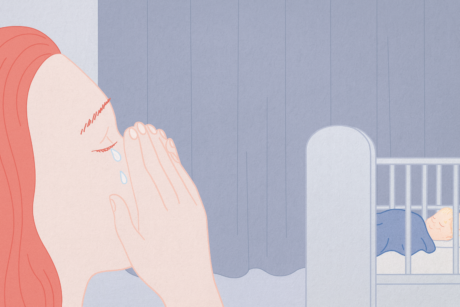
From Baby Blues to Postpartum Depression: Warning Signs and Treatment Options
Learn the difference between PPD and baby blues — their symptoms, causes, and therapy suggestions.