

The Neurodiversity Framework in Medicine: On the Spectrum
Summary & key facts
This article explains the neurodiversity view, which sees differences in brain functioning as natural variations rather than just illnesses to be fixed. It argues for a medical approach that focuses on people's strengths, gives tailored support, and includes neurodivergent people in research, clinical work, and policy. The authors propose a "Neurodiversity Framework in Medicine" to guide more inclusive, person-centered care and research.
- Neurodiversity refers to natural differences in how people's brains work and includes conditions such as autism spectrum disorder (ASD), attention-deficit hyperactivity disorder (ADHD), dyslexia, bipolar disorder, schizophrenia, and depress
- The neurodiversity approach challenges the idea that these conditions must always be seen as disorders or diseases that should be healed or corrected.
- Instead of focusing only on difficulties, the approach emphasizes strengths and unique perspectives that may come with neurodivergent identities.
- The article proposes a "Neurodiversity Framework in Medicine" that calls for tailored support and interventions to meet individual needs.
- The authors say this perspective could shift medicine from a pathology-focused model to one that treats neurological differences as part of human diversity.
- The article is a review and conceptual proposal; it discusses possible consequences for research, therapy, and policy, rather than reporting new experimental data.
Abstract
The term "neurodiversity" refers to the natural heterogeneity in human neurological functioning, which includes neurodevelopmental differences and other mental health conditions (e.g., autism spectrum disorder [ASD], attention-deficit hyperactivity disorder [ADHD], dyslexia, bipolar disorder, schizophrenia, and depression). This new viewpoint has significant consequences for the future of medicine, specifically in psychiatry, neurology, and neurodevelopmental medicine, as it undermines established notions of these conditions as disorders/diseases that may be healed or corrected. The neurodiversity approach, on the other hand, acknowledges these divergences as natural variations, calling for tailored support and interventions that accommodate individual needs. Neurodiversity could impact current medical perspectives by supporting a shift from pathology to identity. Rather than focusing on the difficulties associated with a specific ailment, the neurodiversity approach stresses the strengths and distinct perspectives that come with neurodivergent identities. This shift has significant consequences for research and therapy by fostering the development of innovative treatments aimed at increasing quality of life and improving functional results. This new perspective advocates including neurodivergent people in all sectors of society, including research, clinical practice, and policymaking, by recognizing, accepting, and integrating natural variances in brain functioning. In this article, we review the development of the neurodiversity movement and propose "The Neurodiversity Framework in Medicine," which challenges traditional views by recognizing neurological differences as natural variations, advocating for inclusive, person-centered approaches in healthcare.
Topics
Adolescent and Pediatric Healthcare Attention Deficit Hyperactivity Disorder Autism Spectrum Disorder ResearchCategories
Cognitive Neuroscience Life Sciences NeuroscienceTags
Archaeology Artificial intelligence Autism Autism spectrum disorder Cognitive psychology Computer science History Natural (archaeology) Neuroscience Perspective (graphical) Psychiatry Psychology Schizophrenia (object-oriented programming)Referencing articles
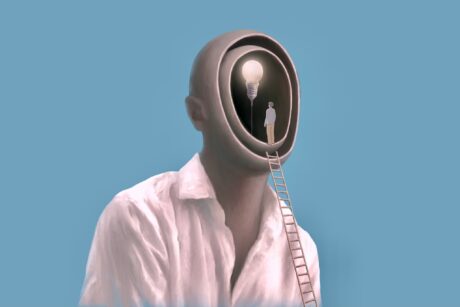
Neurodivergence and the Brain: How Minds Differ — and Thrive
Neurodivergence describes the many ways human brains think, feel, and learn. Explore its forms, signs,…
 Expert-Reviewed by:
Dr. Amy Reichelt
Expert-Reviewed by:
Dr. Amy Reichelt