

Barriers to help-seeking for postpartum depression mapped onto the socio-ecological model and recommendations to address barriers
Summary & key facts
This federal report says U.S. maternal and infant health need improvement and that Medicaid and CHIP are key places to make changes. It notes rising maternal deaths, large racial gaps, many preventable deaths, and high infant deaths compared with other rich countries. The report reviews measures (like low-risk cesarean rates, postpartum visits, and well-child visits) and offers strategies for states and programs to track and improve care for mothers and babies.
- About 700 women in the United States die each year from pregnancy-related complications, and 60–66% of those deaths are judged preventable.
- The U.S. maternal mortality rate rose by more than 56% between 2000 and 2017, even as the global rate declined.
- Pregnancy-related deaths are three to four times more common among Black and American Indian/Alaska Native women than among White women, according to the report.
- In 2018, Medicaid paid for 42.3% of all births in the United States.
- More than 21,000 infants died in the U.S. in 2018, and the U.S. infant mortality rate was higher than those of many other high-income countries.
- Medicaid covered 38% of all children and 83% of children in households with incomes below 100% of the federal poverty level, highlighting its role for low-income families.
- The report highlights three measurable areas for tracking progress: cesarean delivery rates for low-risk pregnancies, attendance at postpartum visits (21–56 days after delivery), and the number of well-child visits in the first 15 months of
Abstract
Postpartum depression affects nearly a quarter of women up to a year after childbirth. Although it is treatable, significant barriers to help-seeking prevent...
Topics
Breastfeeding Practices and Influences Maternal and Perinatal Health Interventions Maternal Mental Health During Pregnancy and PostpartumCategories
Health Sciences Medicine Public Health, Environmental and Occupational HealthTags
Biology Childbirth Computer science Genetics Interpersonal communication Leverage (statistics) Machine learning Medicine Nursing Pathology Political science Postpartum depression Pregnancy Psychological intervention Psychology Public relations Social ecological model Social psychology Social supportReferencing articles
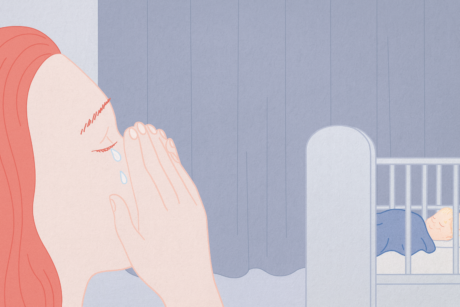
From Baby Blues to Postpartum Depression: Warning Signs and Treatment Options
Learn the difference between PPD and baby blues — their symptoms, causes, and therapy suggestions.