

Maternity Blues: A Narrative Review
Summary & key facts
Maternity blues, also called baby blues, are short-lived mood changes after childbirth that can include tearfulness, irritability, anxiety, sleep and concentration problems. A recent review reports an overall prevalence of about 39% (studies ranged from 13.7% to 76%), but definitions and measurements vary widely. Symptoms usually start in the first days after delivery and often peak around day 3–5 and clear within about 10 days. There is no single agreed definition or diagnostic test, the causes are not well proven, and the condition is a known risk factor for more serious postpartum mood disorders, so early recognition and support are important according to the authors.
- Maternity blues are described as mild, short-lived depressive symptoms after childbirth, including crying spells, irritability, emotional lability, insomnia, anxiety, loss of appetite, and poor concentration.
- A systematic review and meta-analysis cited in the paper reported an overall prevalence of 39% for maternity blues, with study estimates ranging from 13.7% to 76%.
- Prevalence estimates vary by country in reported studies: 27.1% in Japan, 31.3% in Nigeria, 50–80% in Iran, and 58% in India.
- There is no single, agreed definition or standardized diagnostic tool for maternity blues, and it is not listed as a condition in DSM-5 or ICD-10.
- Most authors report that symptoms begin in the first days after delivery, commonly peak between post-partum day 3 and day 5, and often resolve before day 10, though exact timing is not consistent across studies.
- The review states that maternity blues is a risk factor for more severe post-partum mood disorders, including postpartum depression and postpartum psychosis.
- The paper reports that evidence about the biological causes and specific risk factors for maternity blues is limited and often speculative, so clear mechanisms have not been established.
- This article is a narrative review. The authors searched PubMed, Scopus, and Google Scholar up to 31 December 2021 and used the SANRA scale to report and assess the review quality.
Abstract
Puerperium is a period of great vulnerability for the woman, associated with intense physical and emotional changes. Maternity blues (MB), also known as baby blues, postnatal blues, or post-partum blues, include low mood and mild, transient, self-limited depressive symptoms, which can be developed in the first days after delivery. However, the correct identification of this condition is difficult because a shared definition and well-established diagnostic tools are not still available. A great heterogenicity has been reported worldwide regarding MB prevalence. Studies described an overall prevalence of 39%, ranging from 13.7% to 76%, according to the cultural and geographical contexts. MB is a well-established risk factor for shifting to more severe post-partum mood disorders, such as post-partum depression and postpartum psychosis. Several risk factors and pathophysiological mechanisms which could provide the foundation of MB have been the object of investigations, but only poor evidence and speculations are available until now. Taking into account its non-negligible prevalence after childbirth, making an early diagnosis of MB is important to provide adequate and prompt support to the mother, which may contribute to avoiding evolutions toward more serious post-partum disorders. In this paper, we aimed to offer an overview of the knowledge available of MB in terms of definitions, diagnosis tools, pathophysiological mechanisms, and all major clinical aspects. Clinicians should know MB and be aware of its potential evolutions in order to offer the most timely and effective evidence-based care.
Topics
Child and Adolescent Psychosocial and Emotional Development Infant Development and Preterm Care Maternal Mental Health During Pregnancy and PostpartumCategories
Health Sciences Medicine Public Health, Environmental and Occupational HealthTags
Anxiety Art Art history Biology Bipolar disorder Blues Botany Childbirth Computer science Computer security Depression (economics) Economics Genetics Identification (biology) Intensive care medicine Macroeconomics Medicine Mood Mood disorders Narrative review Postpartum period Postpartum psychosis Pregnancy Psychiatry Vulnerability (computing)Referencing articles
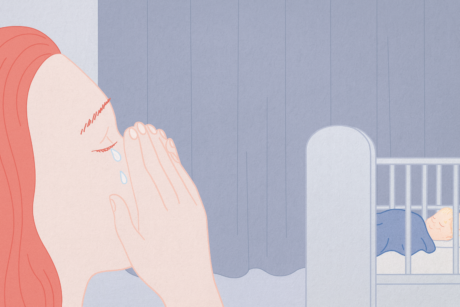
From Baby Blues to Postpartum Depression: Warning Signs and Treatment Options
Learn the difference between PPD and baby blues — their symptoms, causes, and therapy suggestions.