

Longitudinal evidence that fatherhood decreases testosterone in human males
Summary & key facts
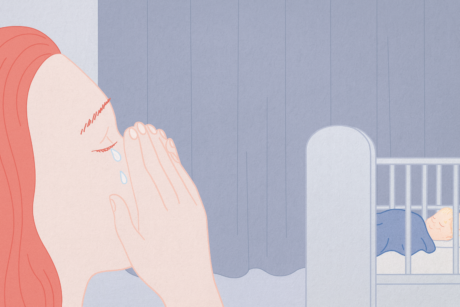
Postpartum depression can affect fathers too. Research summarized in this article says about 10% of men experience clinical paternal postpartum depression, often during pregnancy or in the first year after birth (with the highest risk in the first 3–6 months). The article lists common symptoms, risk factors like a partner’s depression or a personal history of depression, and notes lower screening and public awareness for fathers. It also mentions studies that found large drops in new fathers’ testosterone and links between paternal mental illness and worse outcomes for children, and it recommends talking with a healthcare professional if symptoms appear.
- A 2010 meta-analysis of 43 studies found about 10% of fathers experience postpartum depression.
- The risk of paternal postpartum depression is highest in the first 3–6 months after the baby is born.
- A review of 20 studies found fathers are about twice as likely to develop postpartum depression if their female partner is depressed.
- One study reported a 26–34% decrease in testosterone levels in new fathers after the baby was born.
- The National Perinatal Association recommends screening fathers for depression at least twice during the first postpartum year.
- Common symptoms listed for paternal postpartum depression include increased anger, extreme worry about harming the infant, trouble sleeping, increased use of alcohol or drugs, and withdrawal from parenting.
- One study cited found that 69% of people who experienced threats or abuse postpartum had no prior history of abuse.
- A study cited reported that children of fathers with a mental illness had a 33–70% higher risk of developing behavioral or emotional problems.
Abstract
In species in which males care for young, testosterone (T) is often high during mating periods but then declines to allow for caregiving of resulting offspring. This model may apply to human males, but past human studies of T and fatherhood have been cross-sectional, making it unclear whether fatherhood suppresses T or if men with lower T are more likely to become fathers. Here, we use a large representative study in the Philippines (n = 624) to show that among single nonfathers at baseline (2005) (21.5 ± 0.3 y), men with high waking T were more likely to become partnered fathers by the time of follow-up 4.5 y later (P < 0.05). Men who became partnered fathers then experienced large declines in waking (median: -26%) and evening (median: -34%) T, which were significantly greater than declines in single nonfathers (P < 0.001). Consistent with the hypothesis that child interaction suppresses T, fathers reporting 3 h or more of daily childcare had lower T at follow-up compared with fathers not involved in care (P < 0.05). Using longitudinal data, these findings show that T and reproductive strategy have bidirectional relationships in human males, with high T predicting subsequent mating success but then declining rapidly after men become fathers. Our findings suggest that T mediates tradeoffs between mating and parenting in humans, as seen in other species in which fathers care for young. They also highlight one likely explanation for previously observed health disparities between partnered fathers and single men.
Topics
Evolutionary Psychology and Human Behavior Neuroendocrine regulation and behavior Reproductive Health and TechnologiesCategories
Experimental and Cognitive Psychology Psychology Social SciencesTags
Astronomy Biology Demography Developmental psychology Endocrinology Evening Genetics Longitudinal study Mating Medicine Offspring Paternal care Pathology Physics Pregnancy Psychology Sociology Testosterone (patch) Young adult ZoologyReferencing articles
From Baby Blues to Postpartum Depression: Warning Signs and Treatment Options
Learn the difference between PPD and baby blues — their symptoms, causes, and therapy suggestions.