

Ketamine for the treatment of addiction: Evidence and potential mechanisms
Summary & key facts
This 2018 review looked at animal and human studies of ketamine as a possible treatment for addiction. Early findings are promising: some studies found ketamine helped people stay abstinent from alcohol and heroin and reduced cocaine craving and use. However, the authors say the research is still new, many studies have design limits, and better randomized controlled trials are urgently needed to confirm benefits and clarify how ketamine might work.
- The article is a 2018 review of preclinical (lab/animal) and clinical (human) research on ketamine for addiction, published in Neuropharmacology.
- Ketamine works mainly by blocking the NMDA receptor in the brain (NMDA antagonism is its chief action).
- Some studies reported that ketamine prolonged abstinence from alcohol in people who had been detoxified from alcohol.
- Some studies reported that ketamine prolonged abstinence from heroin in people who were heroin dependent.
- In studies of people who use cocaine but were not seeking treatment, ketamine reduced cocaine craving and reduced self-administration of cocaine in some trials.
- The authors list several possible ways ketamine might help with addiction—such as increasing neuroplasticity (the brain's ability to change), promoting neurogenesis (growth of new brain cells), disrupting addiction-related brain networks, t
- The review repeatedly notes methodological limitations and calls for more well-controlled randomized trials to confirm ketamine's effectiveness and to identify how it works.
Abstract
Ketamine is a dissociative anaesthetic drug which acts on the central nervous system chiefly through antagonism of the n-methyl-d-aspartate (NMDA) receptor. Recently, ketamine has attracted attention as a rapid-acting anti-depressant but other studies have also reported its efficacy in reducing prob …
Topics
Psychedelics and Drug Studies Treatment of Major Depression Tryptophan and brain disordersCategories
Clinical Psychology Psychology Social SciencesTags
Abstinence Addiction Craving Dissociative Drug Epistemology Heroin Internal medicine Ketamine Mechanism (biology) Medicine Neuroscience NMDA receptor Pharmacology Philosophy Psychiatry Psychology Psychotherapist ReceptorReferencing articles
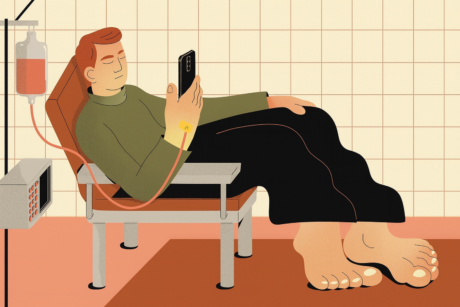
Ketamine Clinics in the UK: Integrating Medicine and Psychedelic Healing
States of Mind explores ketamine therapy and what to know when considering a ketamine clinic…
 Expert-Reviewed by:
Dr. Grischa Judanin
Expert-Reviewed by:
Dr. Grischa Judanin

Reddit on Ketamine Therapy: Real Stories That Challenge the Stigma
Real Reddit stories reveal how ketamine therapy compares to antidepressants, from rapid relief to fragile…